Skip to content
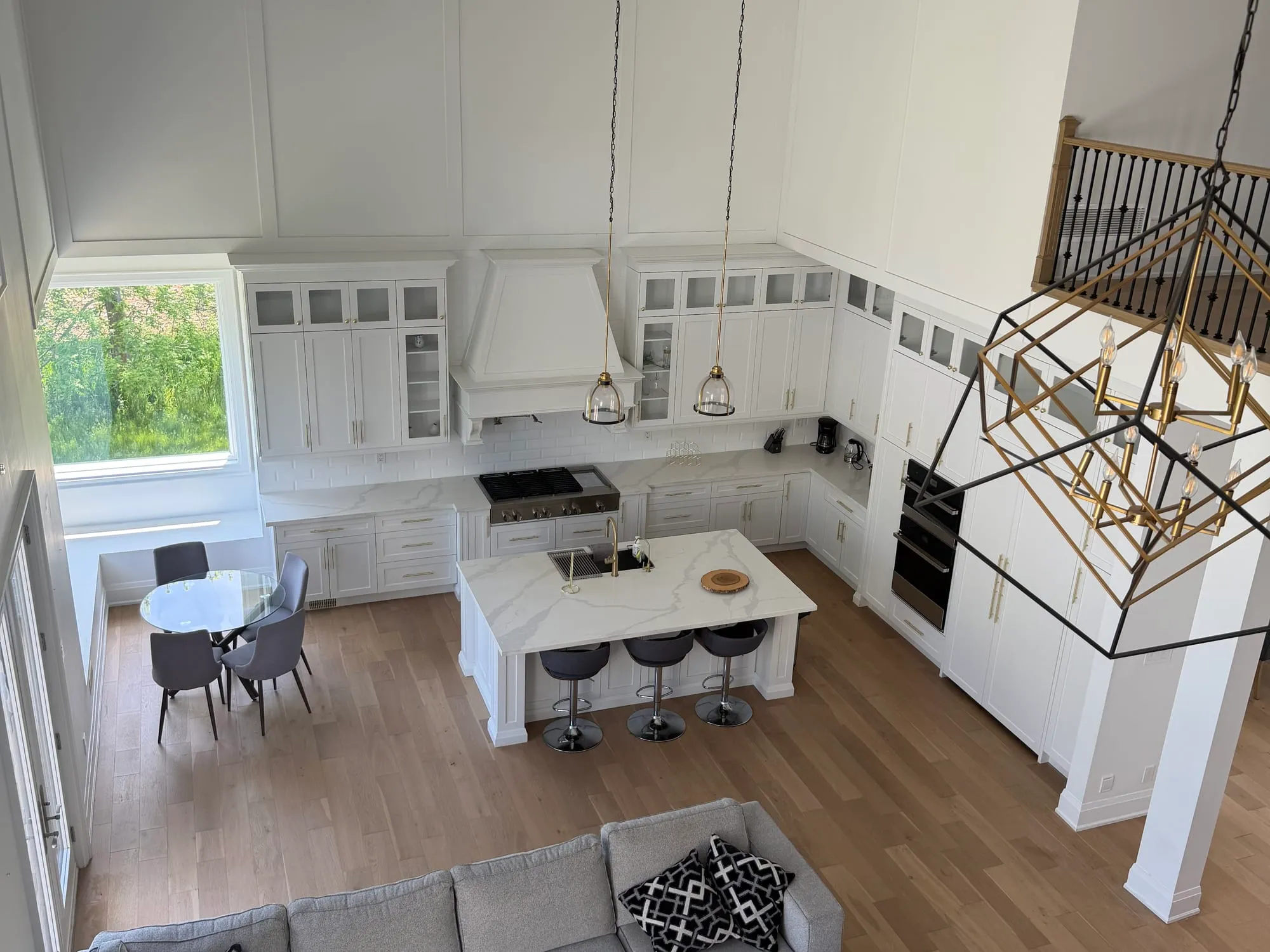
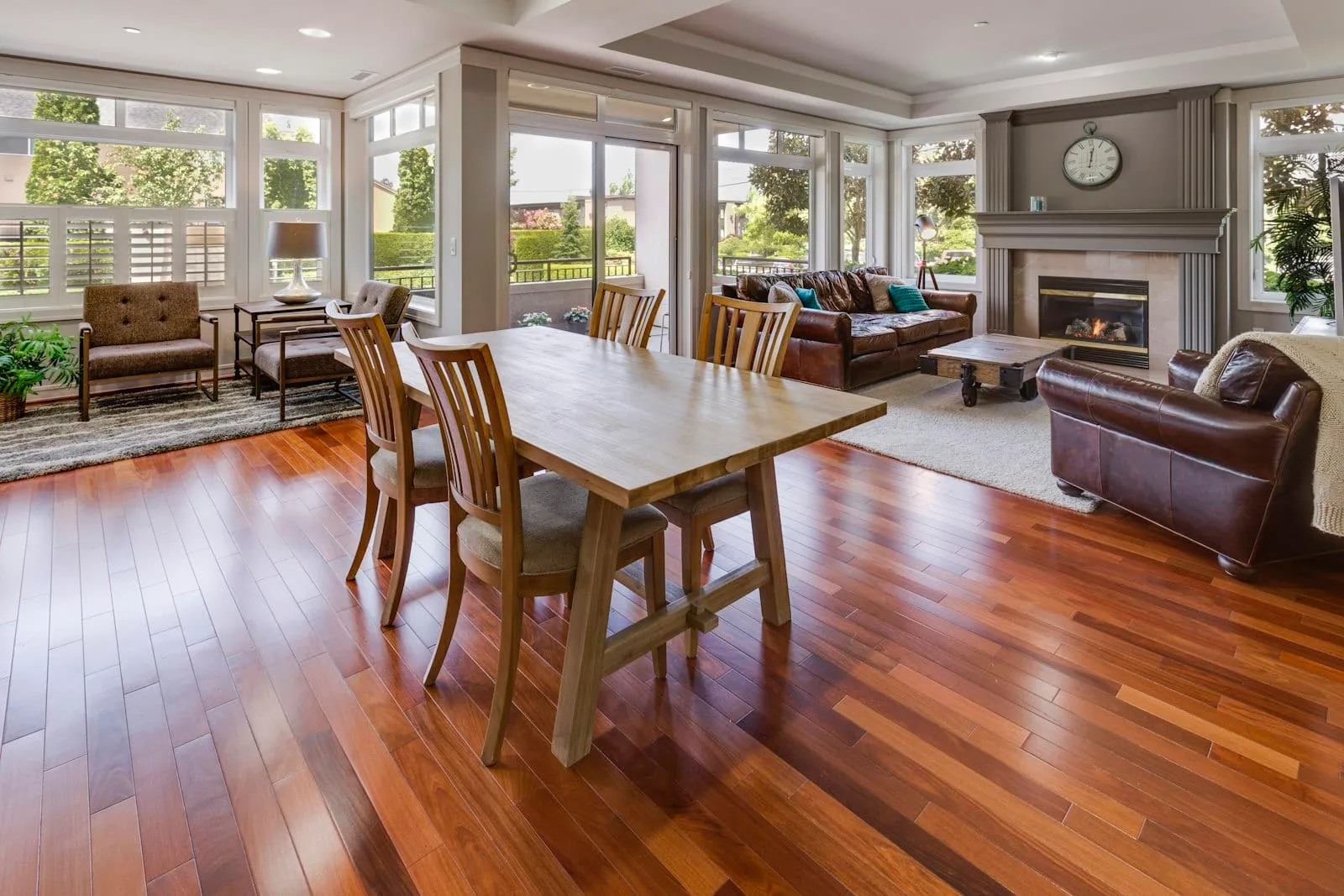
Hardwood flooring in a finished kitchen — Northpole Design & Build

Flooring / Guelph

Flooring in Guelph

Flooring installation in Guelph, ON. Serving Old University, Exhibition Park, and Kortright Hills, and the wider Guelph area.

Guelph's housing stock splits fairly evenly across eras, with the largest single band, homes built between 1961 and 1980, making up about a quarter of the city's dwellings. A Guelph flooring job is as likely to open onto a plywood subfloor over engineered joists as a diagonal board subfloor from an older bungalow. Before any plank or tile goes down, we check what is actually underneath: subfloor type, flatness against the new material's tolerance, and whether the existing floor is original hardwood worth saving rather than tearing out. About one in ten Guelph homes predates 1946, and those older floors deserve a second look before replacement.

Below grade is where flooring choices go wrong most often, and it matters here because Guelph draws nearly all its municipal water from groundwater wells sitting over limestone and dolomite bedrock, with clay, silt, and sand overburden closer to the surface. A basement slab with no vapour barrier beneath it keeps giving off moisture no matter what geology sits above it, which is why we test before installing anything bonded to concrete or sensitive to vapour. Engineered hardwood, LVP, and tile all tolerate that condition to differing degrees; solid hardwood generally does not, and we say so before the quote rather than after.

More on flooring, or see everything we build in Guelph.

Flooring built to what is actually under it

A good flooring job in Guelph starts with a decision, not a purchase. In neighbourhoods built before 1961, the existing floor is often original strip oak or maple hiding under carpet or vinyl, and sanding and refinishing it is usually cheaper and better for the house than tearing it out. In the newer stock that makes up most of the rest of the city, plywood subfloors over engineered joists are the norm, which changes what prep looks like and how flat the surface needs to be before installation.

Flatness and level are not the same thing. A sloped floor can be perfectly flat locally, and a level floor can still fail a straightedge check. Large format tile and wide plank both demand a tighter tolerance than narrow strip hardwood or standard tile, because neither material can bend to follow a substrate defect the way a smaller unit can. We measure before quoting a material that cannot take the correction later.

Acclimatisation is not about leaving boxes in a room for a set number of days. It is about the house running at its normal indoor temperature and humidity, wet trades finished and dried, and the flooring reaching a matching moisture content, verified with a meter rather than a calendar. Some engineered and rigid-core products need almost no wait at all, and installing them too early into a house still drying out can do more harm than good.

Basements need their own conversation. A concrete slab with no vapour barrier underneath, which describes a good share of older Guelph basements, keeps transmitting moisture from the ground regardless of how long it has been down. That rules out solid hardwood and makes carpet a poor choice without a vapour retarder beneath it. Engineered hardwood, LVP, and tile all handle that condition to different degrees, and testing the slab before anything gets bonded to it is the step that actually protects the investment.

Guelph draws nearly all of its drinking water from groundwater wells over limestone and dolomite bedrock, with clay, silt, and sand as the overburden nearer the surface, a detail that shapes excavation and drainage on the basement side of a renovation even where it never touches the flooring itself. See our flooring options, pair a basement floor with a basement renovation, or browse what else we build across our Guelph service area.

Half an hour west the housing mix flips again, and with it the refinish-or-replace call. Flooring installers in Cambridge are usually working over the oldest stock in the region, while flooring in Kitchener mostly opens onto postwar plywood.

What flooring costs

Ranges reflect Ontario contractor pricing, not fixed quotes. Larger jobs and premium materials trend toward the higher end.

Flooring price ranges across our service area
ItemRange
Laminate or budget LVP$4-$8 per sq ft, installed
Mid-range LVP, SPC, or engineered hardwood$6-$15 per sq ft, installed
Solid hardwood or premium engineered, full prep$9-$17 per sq ft, installed
Ceramic or porcelain tile, material and labour$12-$30 per sq ft, installed
Hardwood sanding and refinishing$3.50-$8 per sq ft

Ranges cover our whole service area, not Guelph alone. Site conditions, access and finish move the number, so treat this as a starting band and not a quote.

Flooring in Guelph, answered.

Can solid hardwood go in my Guelph basement?

Not usually. A basement slab keeps releasing moisture from the ground beneath it, and solid board flooring reacts by cupping. Engineered hardwood, built from cross-laminated layers, tolerates that movement far better and is the wood option we recommend below grade in Guelph.

Do you test the slab before installing anything on it?

Yes, for anything bonded to concrete or sensitive to moisture. A slab dries from the top down, so a surface check alone can pass a slab that is still wet underneath. We measure with an in-situ probe method instead and compare the result against the flooring maker's own limit.

How long does new flooring need to sit before installation?

Not a fixed number of days. What matters is that the house is at its normal living temperature and humidity, HVAC running, and that the material has reached a moisture content matching the room it is going into. Some engineered products need almost no wait at all.

My subfloor is diagonal boards, not plywood. Does that matter?

It can. Older Guelph homes, especially anything built before 1961, often have board subfloors that move seasonally and are rarely perfectly flat. Large format tile and wide plank both need a flatter surface than a board subfloor typically offers, so we level first.

Is there a permit for finishing a basement floor in Guelph?

Basement finishing is billed separately from the house's original permit at $0.59 per square foot, with a $160 minimum, under the City's current fee schedule. Flooring installed as part of that basement finish falls under the same permit.

Why does my quote change with tile size?

Bigger tile and wider plank both need a flatter substrate, because neither can flex to follow a hump or dip the way a smaller unit can. A subfloor that suited narrow strip oak or small mosaic may need levelling first for a large format porcelain tile.

Keep exploring

Looking for flooring beyond Guelph? Compare our flooring across Ontario, see everything we build in Guelph, or add Basement Renovation in Guelph.