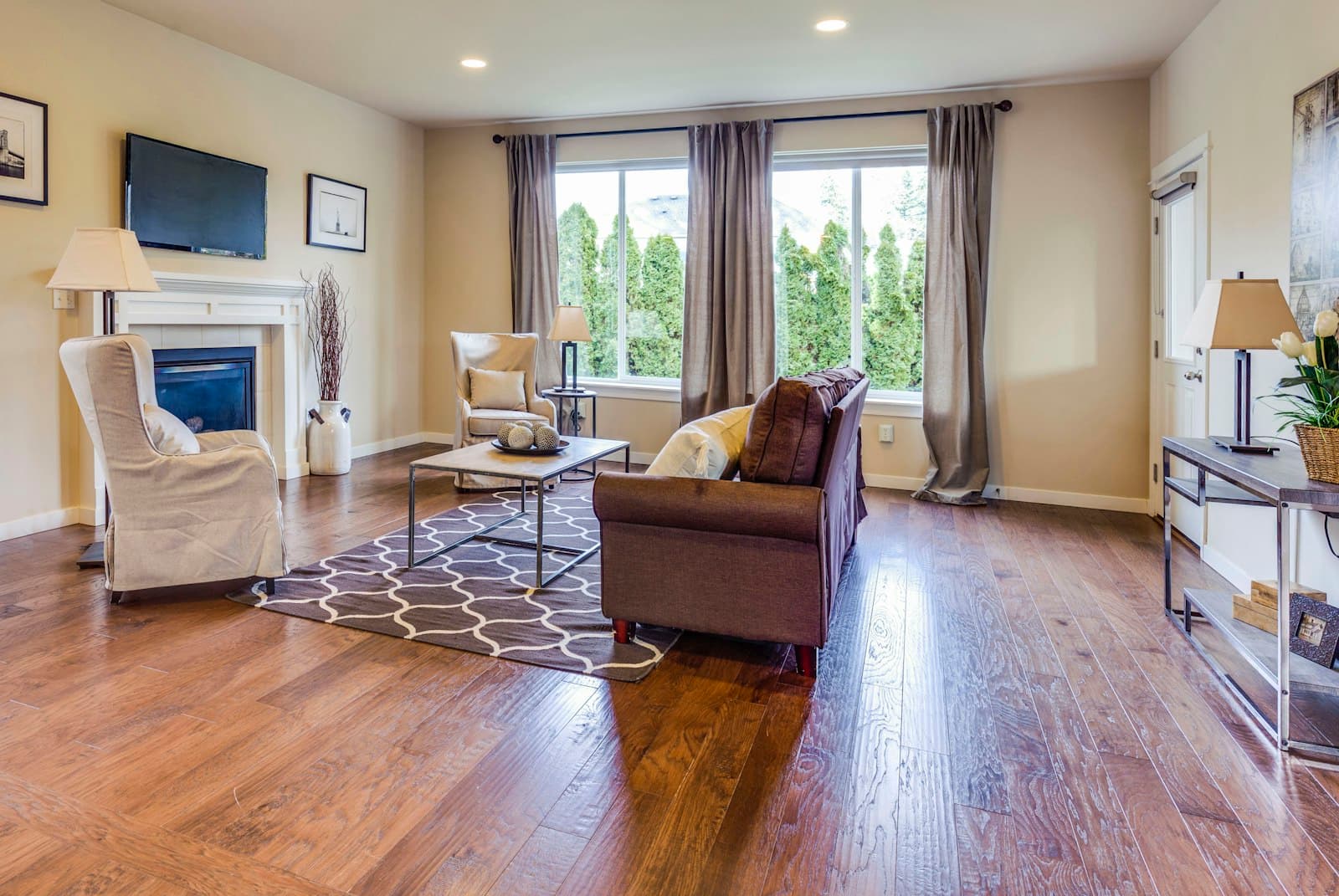
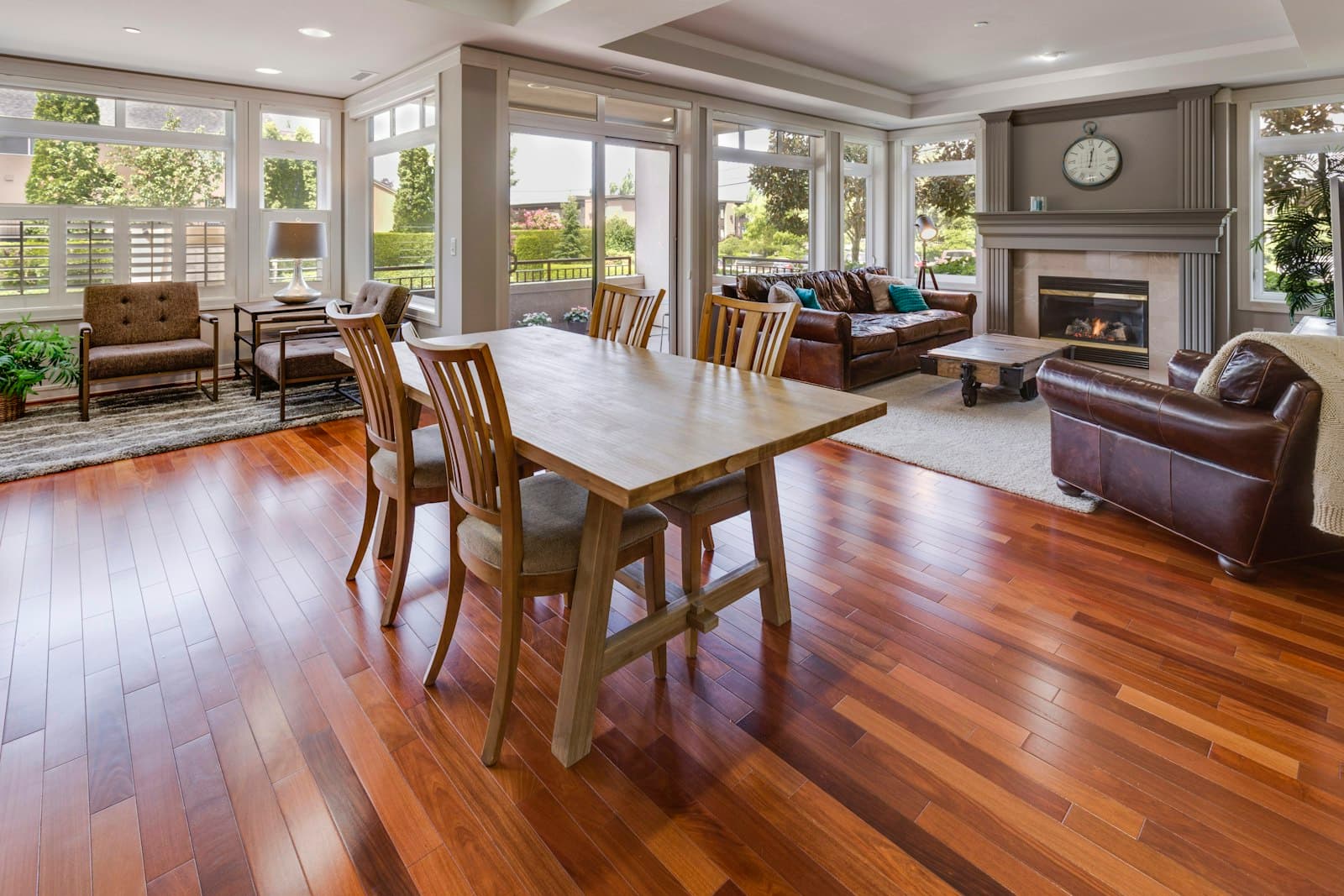
Flooring in Niagara-on-the-Lake
Flooring is one of the few substantial projects in Old Town that mostly stays out of the heritage process. The Queen-Picton Heritage Conservation District is concerned with alterations to the exterior of buildings, and a floor is interior work. The exception worth checking is a property designated individually under Part IV of the Ontario Heritage Act, because a designating by-law can protect specified interior attributes, and original flooring is exactly the sort of thing it might name. Reading that by-law first takes an afternoon and occasionally changes the entire plan.
The difficulty here is age. These houses have been altered repeatedly across two centuries, and each alteration left evidence in the floor. Levels change where an addition met the original structure. Joists have deflected under a hundred and fifty years of load. The subfloor is frequently board laid straight across the joists rather than sheet material. All of it is invisible until the existing covering comes up, and none of it can be ignored, because every rigid finish reproduces what it is laid over. Tile cracks at a flex point. Click-lock planks separate along a dip.
So the sequence on these houses is to lift a section, look, and price the levelling as its own item. A per square foot number quoted without doing that will not survive contact with the floor.
Before replacing anything, it is worth checking what is already there. Original wide-plank flooring in one of these houses is not a material you can buy back, and where enough thickness remains, sanding and refinishing usually costs less than replacement and produces something better. Matching new wood to an old floor, by contrast, is only ever approximate. Board width, species and a century of oxidation are difficult to replicate, and a deliberate, well-detailed transition between old and new generally reads better than a near-miss match.
Cellar floors get tested rather than assumed. Old below-grade spaces push moisture, and the sensible options there are tile or LVP over a proper break.
We also handle the painting that usually follows and the rest of our Niagara-on-the-Lake service area.
Down the parkway the housing is newer with plywood subfloors in good condition, which is what flooring in Niagara Falls covers. West along the lake the older stock sits in specific neighbourhoods rather than across a whole district, dealt with on hardwood flooring in St. Catharines.
Inland the older houses have the same settled subfloors without a designation to check first, and drier slabs underneath, covered on flooring in Fonthill.