
Painting in London
Most painting is a straightforward trade. In London there is one case where it is not, and it catches people out because it looks like the most cosmetic decision imaginable.
Exterior work on a property in one of London's heritage conservation districts, or on a house designated individually, goes through a heritage alteration permit process. Routine maintenance repainting is generally treated differently from an alteration, but where the colour of a building forms part of the protected character of a streetscape, changing it is not automatically a private decision. The practical advice is short: if the house is in Old North, Wortley Village, a Woodfield district or is individually designated, ask the City before buying paint. It is a phone call, and the alternative is a repaint.
Everything inside is unrestricted, and it divides by the age of the house.
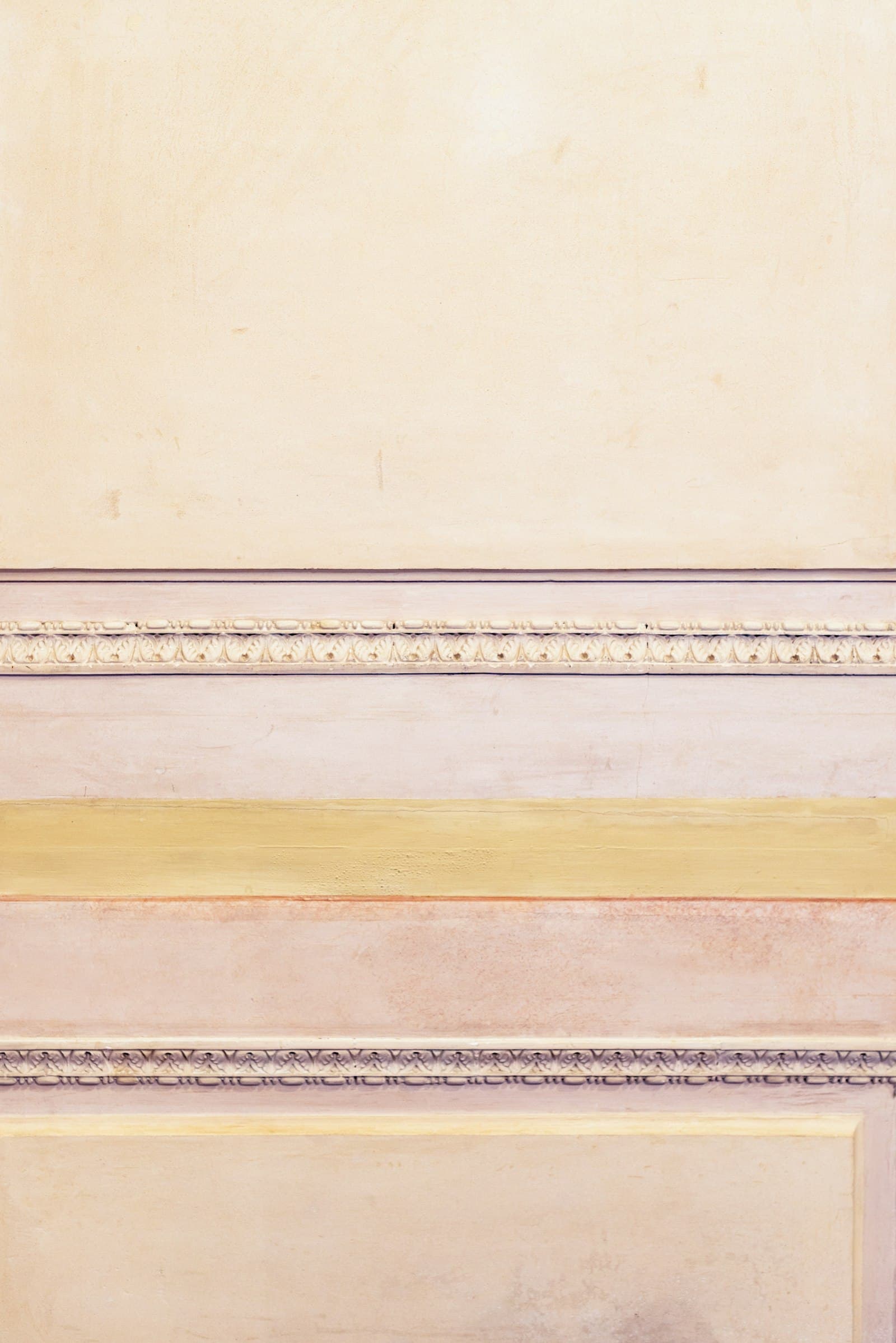
The older neighbourhoods have lath and plaster walls carrying the hairline cracking that a century of seasonal movement produces, and original trim that has almost certainly seen oil-based paint at some point. Latex applied directly over aged oil peels off in sheets within a year, so a bonding primer goes on first. Cracks get opened, filled and skimmed rather than painted across, because the movement behind them has not stopped and a painted-over crack reappears within a season. Prep is the majority of the labour in these houses, and it is invisible in the finished room, which is exactly where a cheap quote is cheap.
The north end is the modern version. Sound drywall finished with builder-grade flat latex that chalks as it ages, which means touch-ups do not blend and new paint over it does not bond properly. Washing and spot-priming first is the step that makes the repaint hold.
Sheen is practical in either case: eggshell or satin on walls, semi-gloss on trim, because those clean.
We also handle the flooring that usually goes in alongside a repaint and the rest of our London service area.
East along the 401 the heritage areas are smaller and the housing mix differs, covered on painting in Cambridge. Further east the stock is largely postwar drywall and plaster, dealt with on interior painting in Kitchener.