
Concrete walkways in Niagara-on-the-Lake
The front walk is one of the most visible things on a property, and in Old Town that makes it a heritage matter rather than a landscaping one.
Alterations to the exterior of a property inside the Queen-Picton Heritage Conservation District generally require Council's consent through a heritage permit. By-law 4362-10 sets out what is exempt, and the line it draws is excavation: landscaping without it sits outside the permit requirement, while a poured concrete walkway does not. So on these properties the order of operations is inverted compared with anywhere else. Establish what is permissible, agree the approach with the Town, and then design the walk. Doing it the other way round produces something the client has approved and the Town has not.
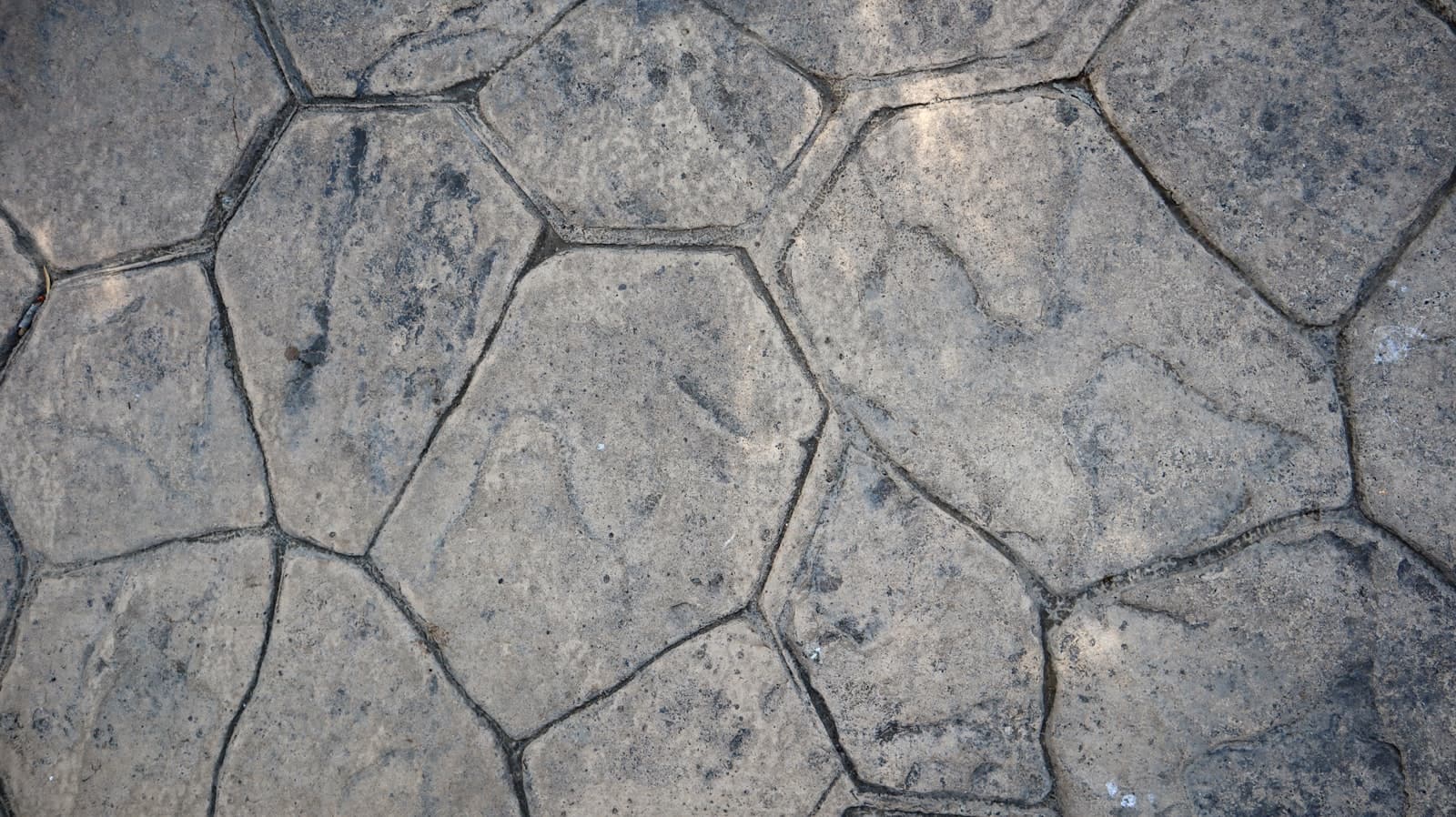
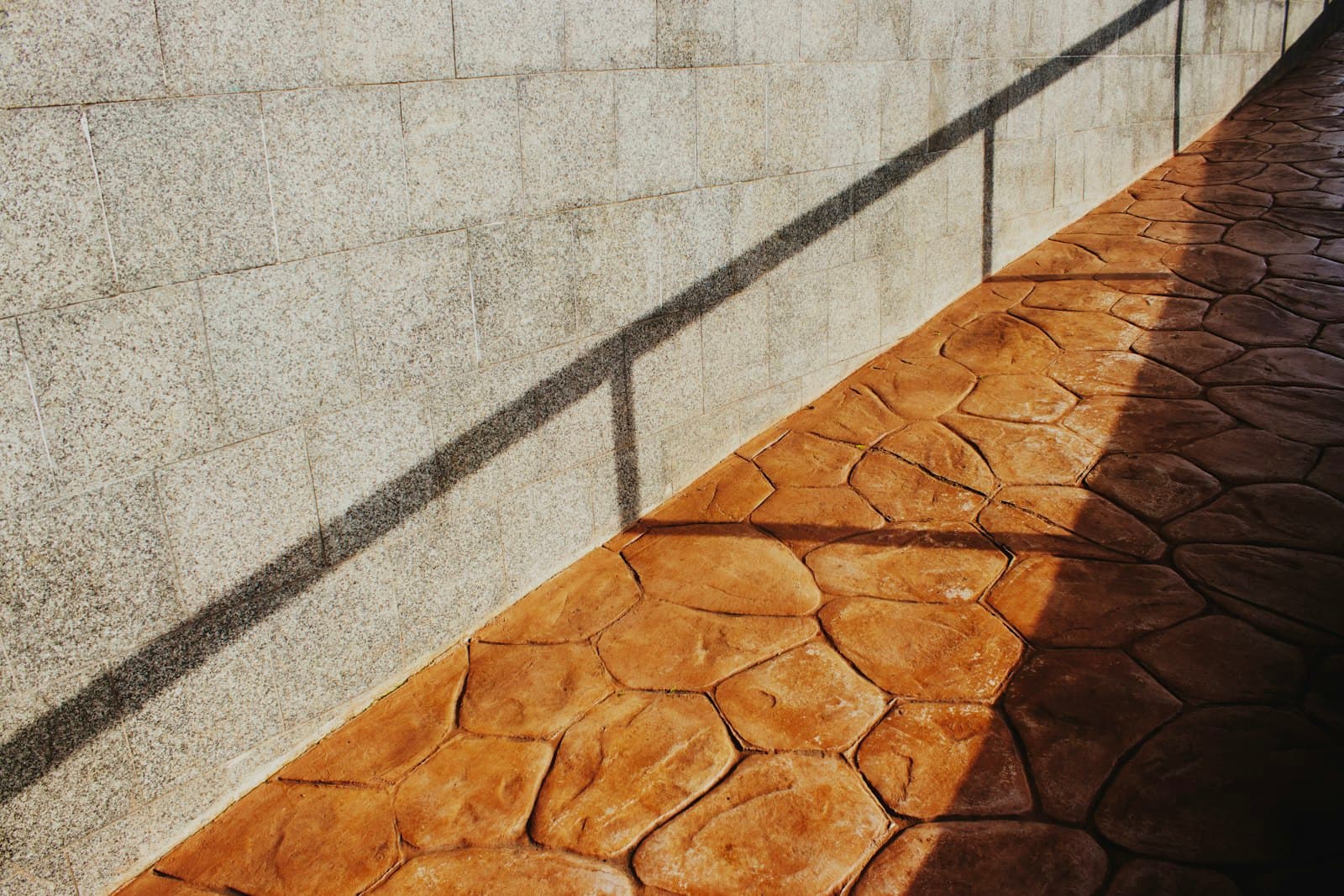
Finish carries weight in that conversation. The district exists to protect the coherence of the streetscape, so a restrained broom finish appropriate to a period house generally has an easier path than a heavily patterned surface imitating stonework the street never had. Where the walk meets original stone steps or a heritage porch, the detailing matters too: an isolation joint at the seam, and care not to load or trap moisture against masonry that needs to dry out.
Outside the district the problems are physical. On the farm and winery properties the walks are long, and length brings its own decisions about joint spacing and drainage. Frost does the damage everywhere. A walkway is a narrow slab, almost entirely edge, with little mass to resist movement, and that is why the front walk heaves while the driveway beside it stays flat. Base depth and a real drainage path are worth more per square foot here than on any larger pour.
That geometry also explains the price. Forming a three-foot-wide run takes nearly as much edge work as forming something four times the area, and the forming is the labour, which is why walkways cost more per square foot than a driveway or a patio.
Broom finish is the right answer on a rural approach as well, for a plainer reason: these walks get used in work boots, and grip beats pattern.
We also pour the steps these walks connect to and the driveways they meet, and cover the rest of our Niagara-on-the-Lake service area.
Down the parkway there is no heritage consent step and the walk is a straightforward residential pour, which is what concrete walkways in Niagara Falls covers. West along the lake the heritage areas are neighbourhood-scale, dealt with on concrete walkways in St. Catharines.
Inland a front walk needs no consent, and the failure mode shifts from approval to compaction, which concrete walkways in Fonthill sets out.