Commercial concrete in Caledon
Caledon is the most heavily layered approvals environment we work in, and on a commercial project that is the thing to plan around first.
Three frameworks can apply. The Niagara Escarpment Plan governs the western part of the town, where development needs a permit from the Niagara Escarpment Commission. There is no charge to apply for one, which surprises people, but the cost is in the time it adds and in the design work needed to satisfy it. The Oak Ridges Moraine Conservation Plan covers ground to the east. Credit Valley Conservation regulates watercourses and wetlands across much of the middle under Ontario Regulation 41/24. On a rural commercial site at least one of these will apply, sometimes two, and the review is routinely the longest item on the programme rather than the construction.
The work divides in two. Bolton's serviced industrial area is conventional commercial concrete: loading aprons, warehouse slabs and yards, engineered from the loading. Axle weights, forklift traffic and racking positions drive thickness, reinforcement and joint layout, and where racking is involved, floor flatness becomes a specified and measured tolerance that changes how the slab is placed and finished rather than just what goes in the mix.
The rural sites are agricultural and equestrian buildings, and those are more specialized than they look. A single building can need a wash-down area with falls and drainage, a section carrying animal traffic that needs grip without abrasiveness, and an equipment bay designed for real loading. Three different requirements inside one slab, which is why the work comes off engineered drawings and the per square foot figure in the table is a budgeting number rather than a quote.
Village frontages in Caledon East, Inglewood and Alton are the small end: tight sites, businesses trading, staging and pump position planned in advance because there is no room to improvise.
Accessibility at entrances is designed in everywhere: ramp slope, landing dimensions and the door transition, all cheaper to build right than to correct.
Aggregate is the other thing that shapes commercial work here. Caledon carries a significant share of the region's licensed pits and quarries, so haul routes, load restrictions on rural roads through spring thaw, and the condition of a long private lane all bear on how and when concrete can actually reach a site. On a rural commercial pour the logistics are frequently a larger variable than the mix design, and they are worth confirming at quoting rather than discovering on the morning of a placement.
Winter is a harder constraint out here than in town. A rural site with a long exposed approach loses more working days to access than to temperature, and hoarding and heating an open pour costs more when the nearest plant is further away.
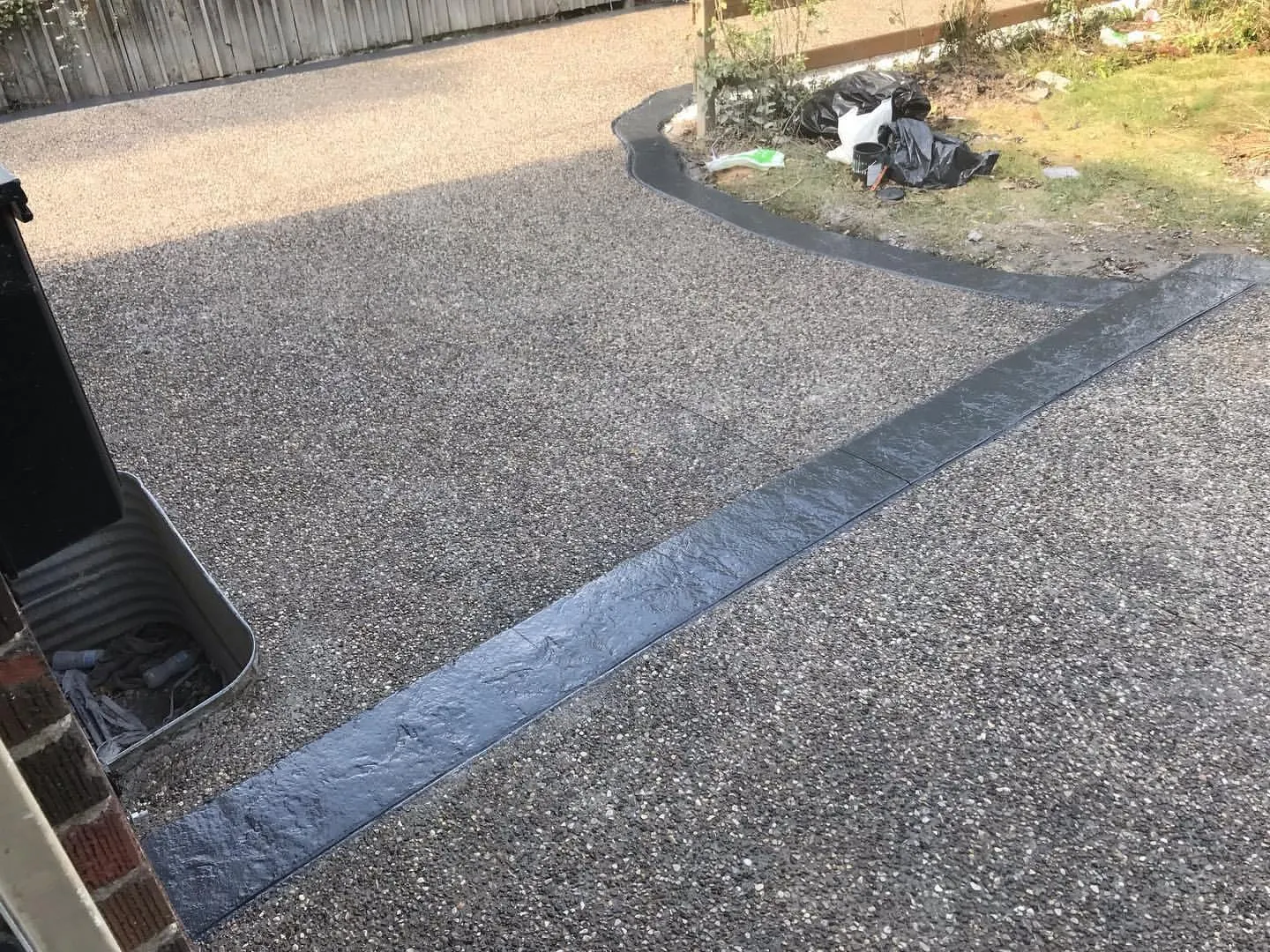
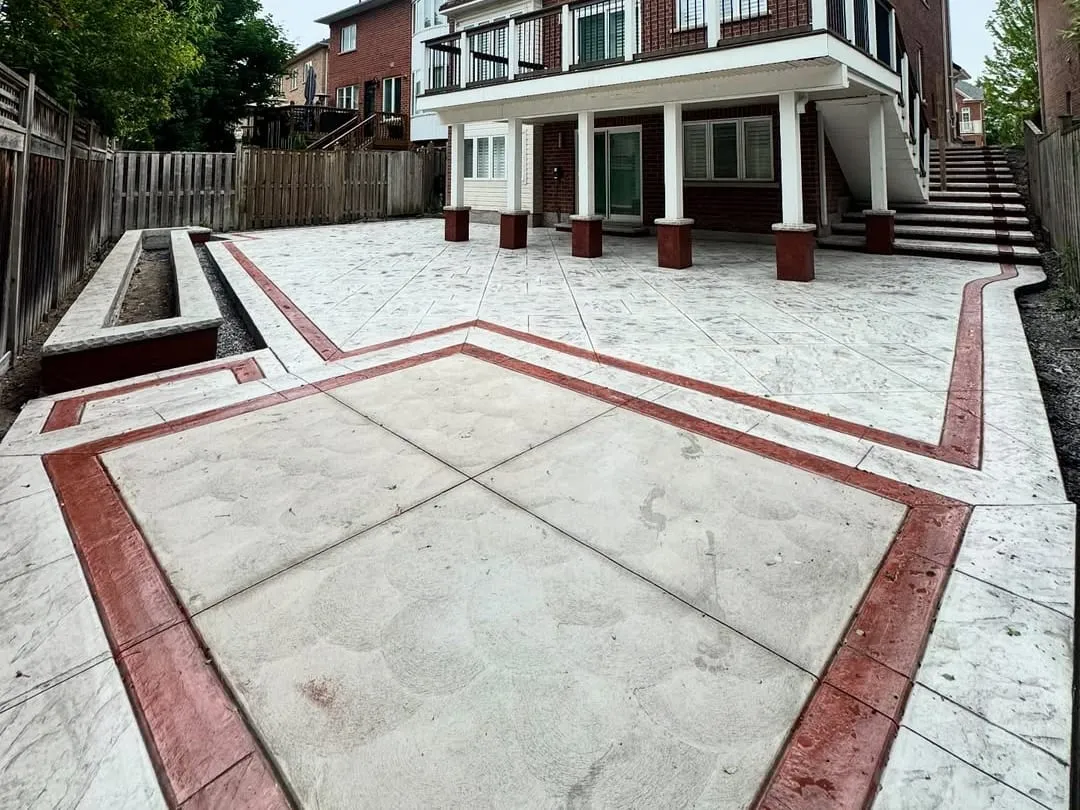
We also pour the driveways and walkways these sites need, and cover the rest of our Caledon service area.
East of here the moraine framework applies without the escarpment, covered on commercial concrete in King City. South the work is industrial in scale and driven by truck loading, dealt with on commercial concrete work in Vaughan.
